



UK FCA pushes for tighter DeFi rules after $6.3 billion Binance hack
The regulator also wants to stop UK retail investors from trading tokenized equities on unregulated offshore platforms.

Naomi JohnsonMarkets correspondent · via COINMAG
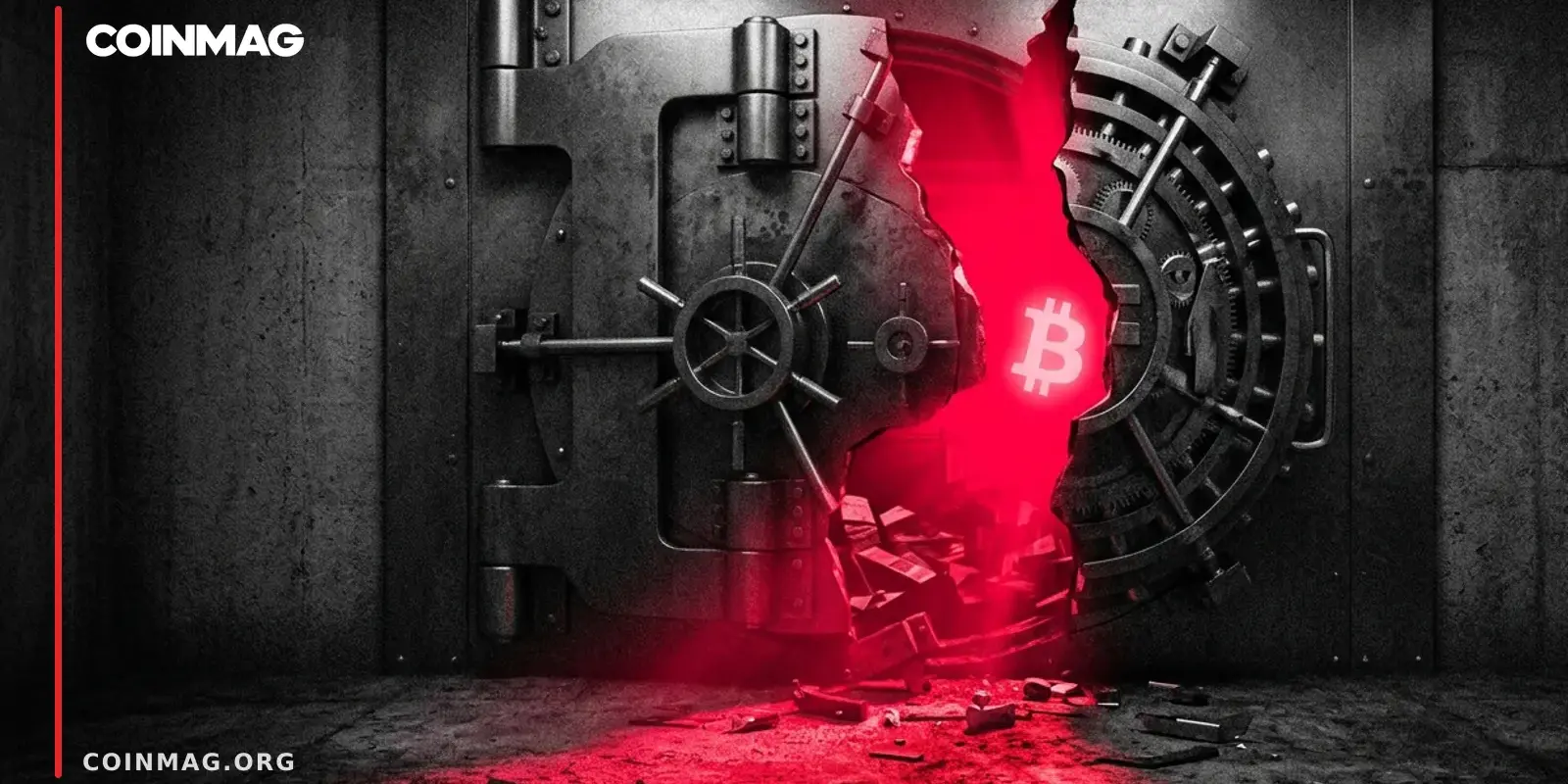
The UK’s Financial Conduct Authority (FCA) wants to bring decentralized finance platforms under its authorization regime, pointing to the $6.3 billion Binance hack in October as proof that stolen crypto moves too fast through these automated protocols.
If the proposals become binding, regulated UK firms would be barred from sending retail orders for tokenized equities to unlicensed offshore DeFi venues. The rules could also make it so difficult for compliant platforms to offer any DeFi access that they simply stop doing so, according to Coinbase.
The Binance breach on 29 October allowed attackers to steal $6.3 billion in digital assets. Blockchain tracker Elliptic later identified 1,650 Bitcoin worth $124 million that the hackers had obtained by swapping other stolen coins through decentralized exchanges and cross-chain bridges by 6 November. Jane Moore, the FCA’s head of payments and digital assets, said the speed of these movements hampers recovery efforts.
The FCA’s consultation on DeFi risks closed on 18 November. Final guidance is expected in January 2027, months before the UK’s wider crypto regulatory framework takes effect on 25 October 2027. The regime will cover trading, custody and staking.
Industry executives pushed back. Linda Jeng of Aave Labs called the regulator’s stance “highly problematic” and asked for clarity on which businesses count as DeFi providers. Coinbase’s head of European policy, Katie Harries, said the approach amounts to “creating a prohibition.” Former British chancellor George Osborne, now a Coinbase adviser, argued that regulated intermediaries could act as gatekeepers instead.
The FCA acknowledges that a truly decentralized protocol with no identifiable operator falls outside its scope. But it is concerned about the firms that connect consumers to those protocols. A July 2026 FATF report found that only four of 142 jurisdictions had licensed or registered DeFi arrangements, and just two had actually done so.
FAQ
What is DeFi?
DeFi, or decentralized finance, refers to financial services built on blockchain that run through automated smart contracts without a central company. Users keep control of their funds in self-custodial wallets.
When will the UK's new crypto rules take effect?
The broader crypto regulatory framework starts on 25 October 2027. The FCA plans to publish its final guidance on DeFi in January 2027.
Who would be affected by the FCA's DeFi proposals?
Regulated UK crypto firms that offer customers access to DeFi platforms would need to meet new authorization and compliance requirements. Retail investors could also lose the ability to trade tokenized equities through unregulated offshore venues.
Coins in this story
Swap


Apps in this story
Naomi JohnsonNaomi Johnson is COINMAG's markets correspondent. She follows exchanges, prices, ETFs, institutional money and investor sentiment, and explains what moves the crypto market.All articles by the author

Discussion 0