



Injective asks SEC to expand tokenized stock sandbox to orderbooks
The 22-page letter argues that on-chain orderbooks can offer tighter spreads and familiar execution for institutional traders.

Mark NovakCybersecurity researcher · via COINMAG
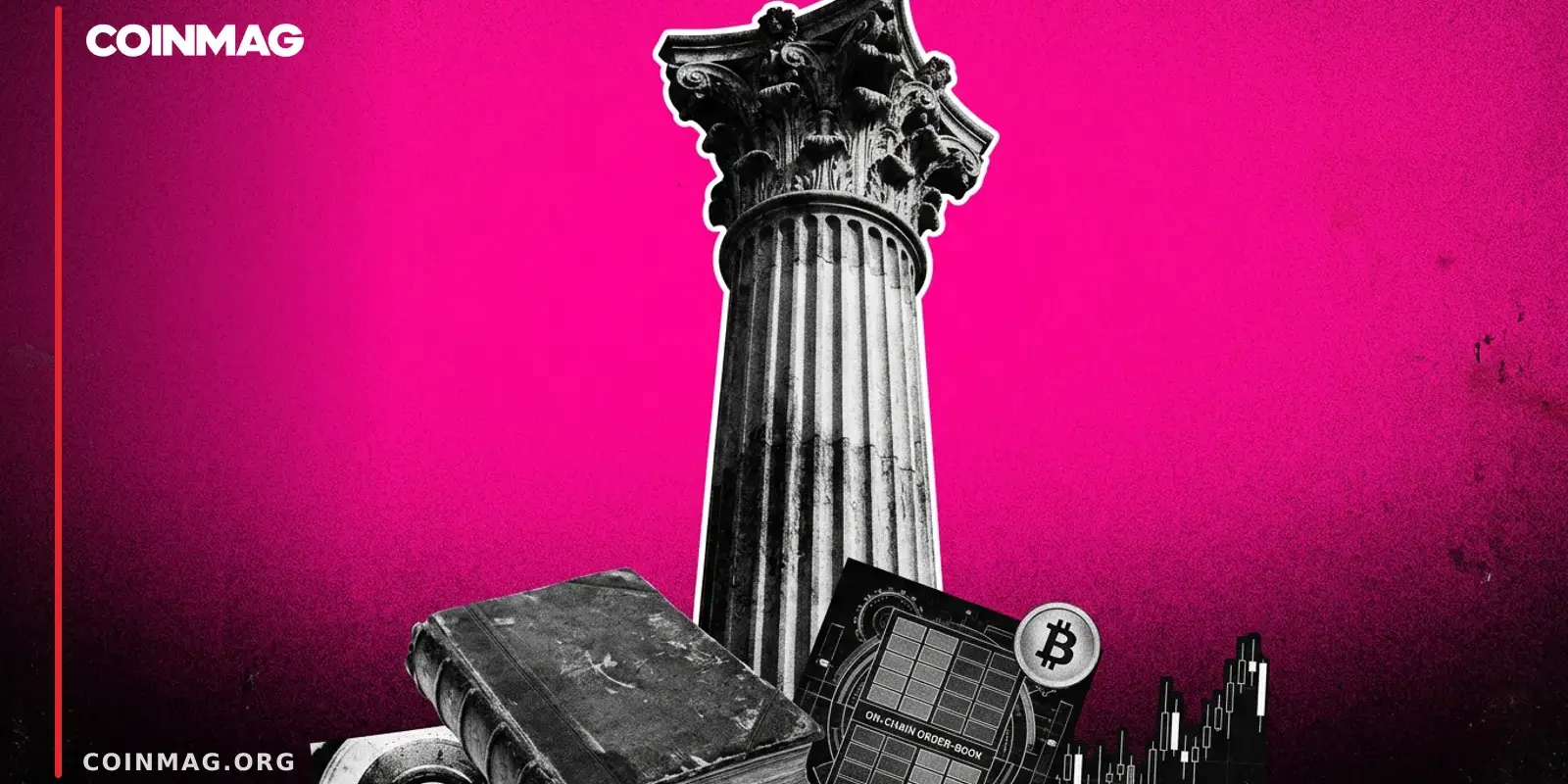
Injective has asked the U.S. Securities and Exchange Commission to let tokenized stock trading use on-chain orderbooks, not just automated market maker (AMM) pools. The layer-1 network submitted a 22-page policy letter on November 23, urging the agency to widen its recent innovation sandbox.
If the SEC agrees, exchanges could offer orderbook-based trading of tokenized equities under a five-year exemption. That would give institutional traders a familiar setup with tighter spreads and less slippage on large orders than AMM-based venues typically provide.
The SEC’s September 17 “Innovation Exemption” order created a temporary sandbox for tokenized National Market System stocks but limited relief to AMM liquidity pools. Injective argues that on-chain central limit order books (CLOBs) can support the same public interest and investor protection goals while keeping prices closely aligned with traditional markets.
The letter points to Injective’s frequent batch auction design, which clears all orders at one uniform price and removes the incentive to front-run transactions. It also lists market surveillance, price limits, self-trade prevention and protocol-level trading halts as extra safeguards.
Injective says the current framework leaves out the orderbook model that underpins most global capital markets. AMM pools can produce higher slippage on block trades, while orderbooks deliver tighter spreads and familiar execution logic for professional traders. For retail participants, orderbooks remove a separate liquidity pooling layer, simplifying the risk profile.
The submission is the network’s third formal letter to the SEC, following earlier ones on DeFi protocols and on-chain lending. Injective also connected the proposal to its August 2026 registration as a transfer agent through Injective Institutional Services, which it says would pair compliant execution venues with regulated recordkeeping. The SEC has no fixed deadline to respond.
Coins in this story
Swap

Mark NovakMark Novak is a cybersecurity researcher. He writes about wallet security, hacks, exploits, scams and digital risks, and explains what each incident means for users and how to stay safe.All articles by the author


Discussion 0