



FCC clears SpaceX to build 1 million AI computing satellites
SpaceX’s Starmind network will harness solar energy and laser links to run AI workloads in orbit, with a debut slated for late 2027.

Kenji SatoBlockchain analyst · via COINMAG
Key takeaways
- The commission’s chair highlighted that the system will rely on solar power to keep the United States ahead in advanced AI.
- Google is working on a comparable orbital computing effort named Project Suncatcher, which already flew a test unit in October.
- SpaceX warned shareholders that the space‑based computing venture has not yet shown it can make money.
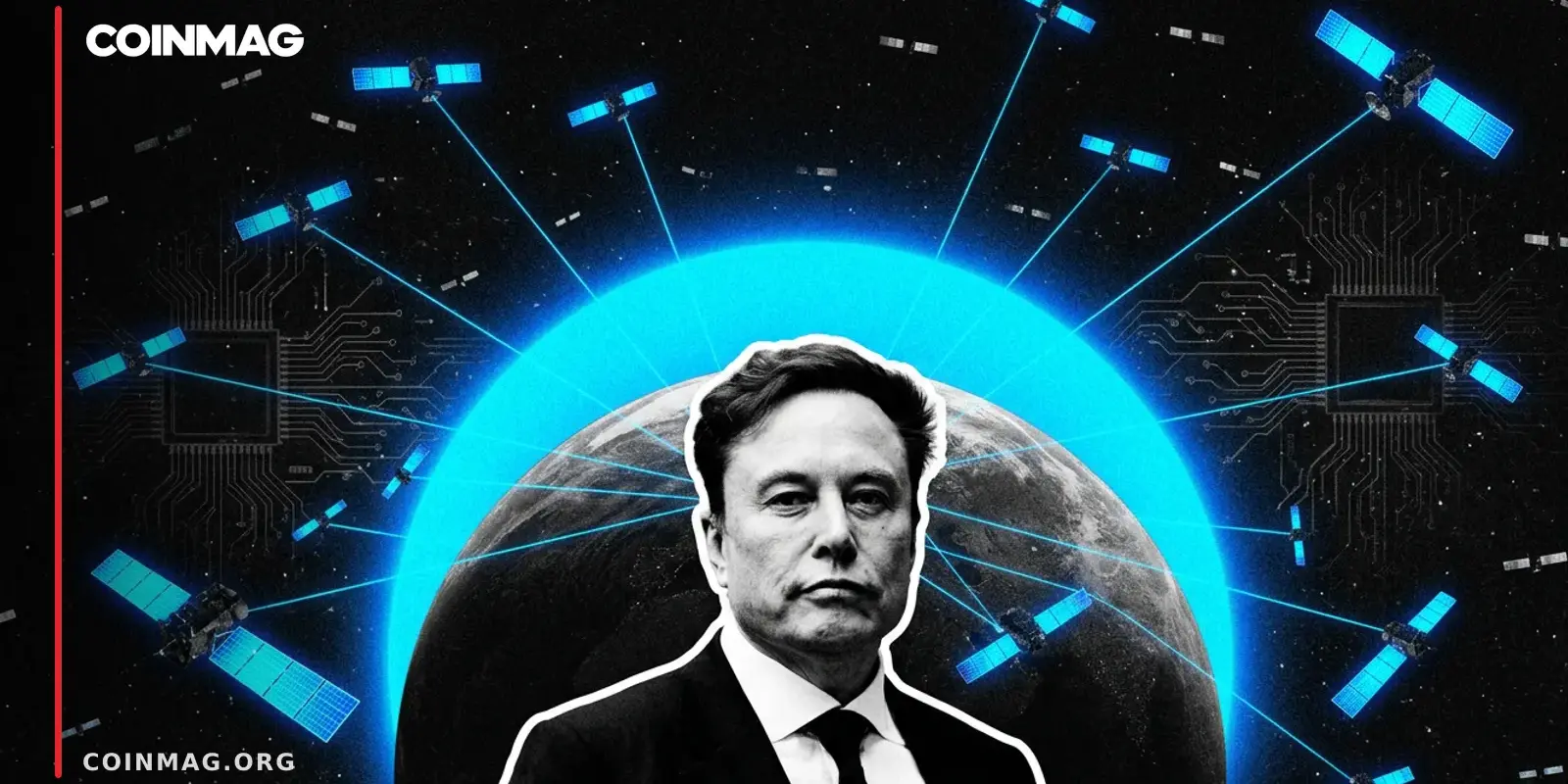
The Federal Communications Commission gave SpaceX permission to launch a constellation of up to one million satellites that will function as data centers in space, marking the first U.S. approval for a fleet built specifically for orbital computing. The project, called Starmind, will generate power from sunlight and transmit data using laser beams, aiming to relieve the power constraints of terrestrial AI farms.
The authorization, issued on Wednesday, lets SpaceX construct solar‑powered modules that perform calculations themselves, unlike the Starlink satellites that mainly provide internet connectivity. Radio frequencies may also be used as a backup channel for control and emergency signals.
Commissioner Brendan Carr posted on X that the network will “use solar power to extend America’s lead in super intelligence.” Elon Musk responded that the system “will be a great asset to America and the world.” The FCC even noted the venture could push humanity toward a Kardashev Type II status, a theoretical civilization that captures the total output of its star.
Power demand is a major hurdle for AI development; many data centers struggle to secure enough electricity from local grids.
Satellites in certain orbits can bask in sunlight nearly nonstop, allowing solar panels to be several times more efficient than those on Earth, according to research from Google.
That same company is testing a similar concept called Project Suncatcher, which launched a prototype in October and has booked Blue Origin for a 2029 flight.
Running processors in space brings engineering challenges. In a vacuum, heat cannot be removed by air, so the satellites must carry radiators to shed the thermal load from AI chips, which also need protection against cosmic radiation. Environmental advocates have warned that building, launching, and eventually disposing of a million satellites could add to atmospheric pollution, though the FCC said the design meets debris‑mitigation standards.
Musk indicated that the first Starmind units could be sent up in the third quarter of 2027. SpaceX’s filings with regulators, however, caution investors that the orbital computing business has not yet proven its commercial feasibility and could fail to generate profit.
Kenji SatoKenji Sato is a blockchain analyst. He explains how new networks and protocols work: Ethereum and layer 2s, DeFi, upgrades, mining and the technology behind the projects in the news.All articles by the author



Discussion 0