


Bank of Japan executive calls for stablecoin reserve oversight
He listed five risks, including automated collateral sales that could worsen market stress.

Rahul VermaReporter, startups and South Asia · via COINMAG
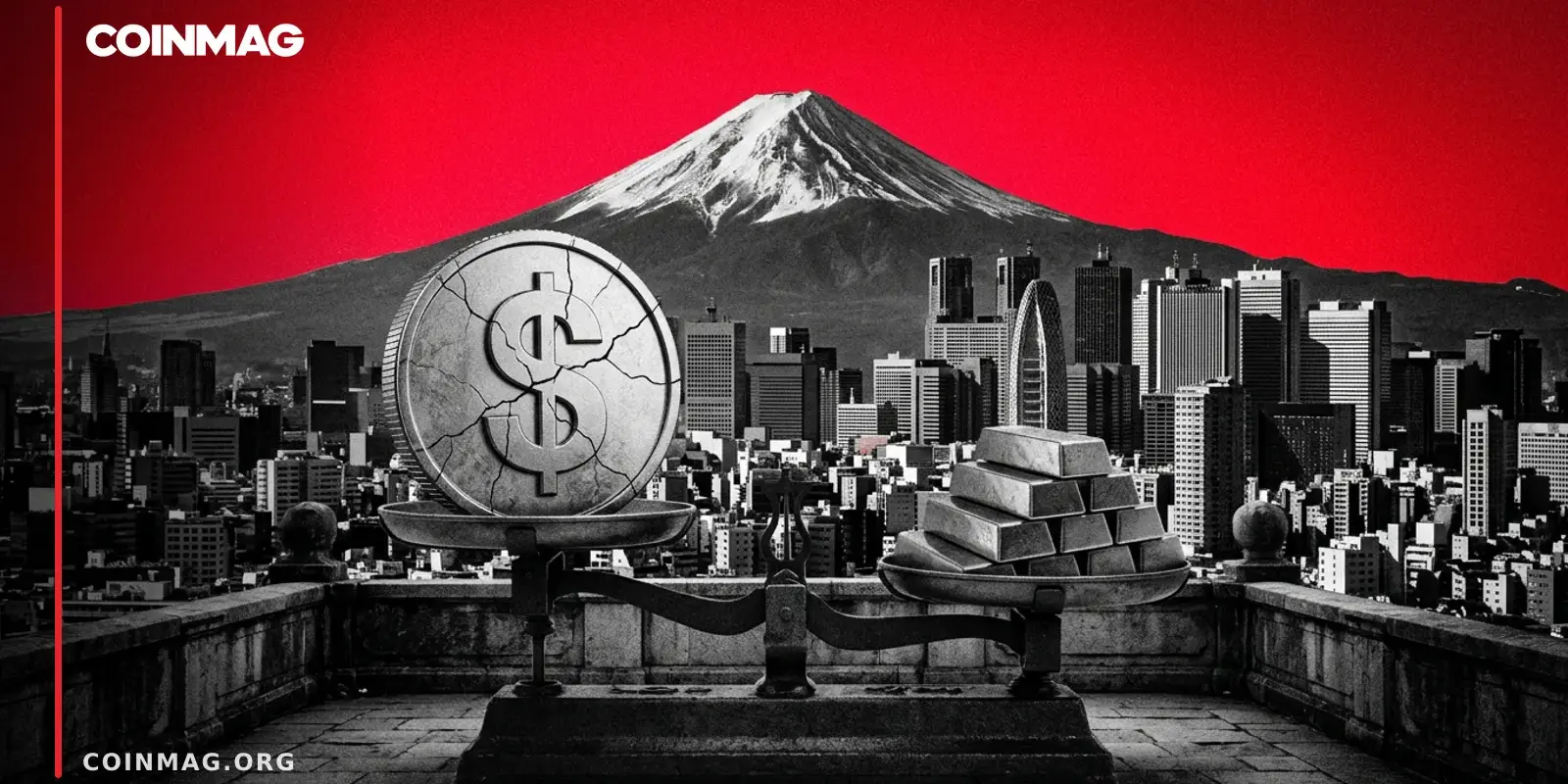
Bank of Japan executive director Kazushige Kamiyama called for tighter regulation of stablecoin reserve assets at an IMF seminar in Tokyo on November 27.
Without proper oversight of reserves and redemption arrangements, stablecoins might fail to hold their peg, he warned. That would undermine the principle that different forms of the same currency should always be worth the same.
SOL / USD
Kamiyama listed five specific risks that come with the growth of tokenized assets. Automated smart contracts that demand extra collateral or sell off assets when prices drop could amplify market swings. And because blockchain trading never stops while conventional payment systems have fixed hours, banks may need to hold more cash and collateral to meet obligations.
"Faster settlement does not automatically mean more efficient liquidity management," he said. He also pointed to cybersecurity dangers, noting that artificial intelligence could make it easier to find and exploit security vulnerabilities. Legal ownership of tokenized assets and the enforceability of blockchain transactions remain unclear, he added.
The Bank of Japan is already testing ways to connect digital money with central bank reserves. Its DLT sandbox examines international payments, domestic interbank settlement and tokenized government bonds. Japan also takes part in Project Agorá, a BIS-led trial with over 40 institutions. In July 2026, the project processed real-value transactions worth about 800,000 Swiss francs across six currencies, with an average settlement time of 80 seconds.
Private firms are moving too. On November 25, SBI Holdings, Sumitomo Mitsui Financial Group and the Solana Foundation launched SBI Solana Global, a venture focused on blockchain payments and tokenized assets. BlackRock also signed a deal with SBI and Startale Group to explore linking tokenized money market funds to a yen stablecoin.
Coins in this story
Swap

Rahul VermaRahul Verma covers crypto startups, funding rounds and the digital asset market in South Asia: India, Pakistan, Bangladesh and Sri Lanka, from new founders to the rules that shape them.All articles by the author

Discussion 0