



1Password breach exposes account data but not vault contents
The intruder used a compromised employee GitHub account to access source code and customer metadata, prompting a warning about phishing emails.

Mark NovakCybersecurity researcher · via COINMAG
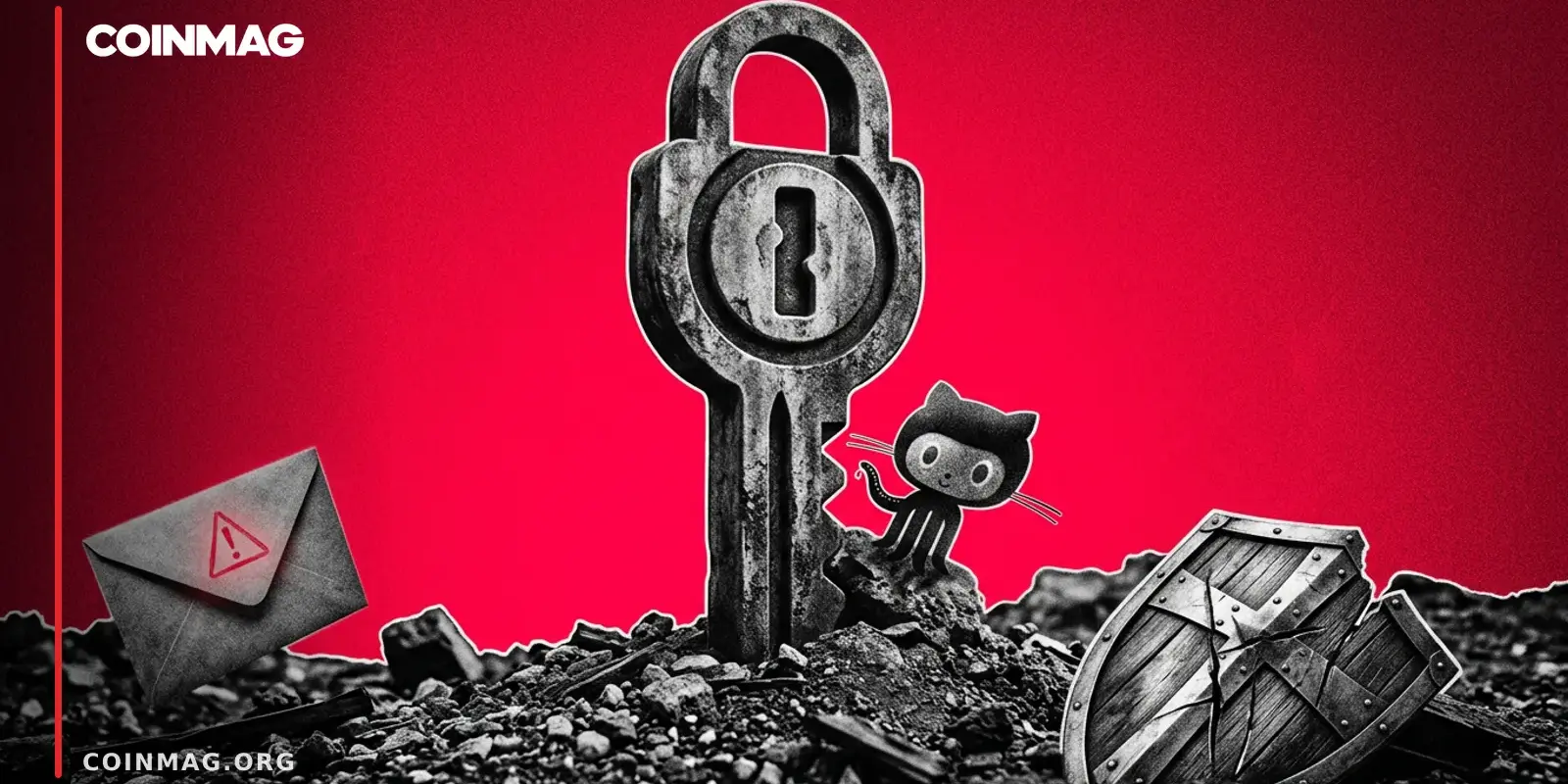
1Password disclosed on Tuesday that an attacker breached its backend systems through a compromised employee GitHub account, copying a subset of customer account information. The company said the intrusion did not touch any user vaults or the keys that protect them.
The main risk for users is phishing: because names and email addresses were exposed, attackers can send fake 1Password emails, especially recovery or invitation requests. 1Password stressed that it never asks for account passwords or Secret Keys, and users should only enter those in the official app or site.
The breach began on Nov. 19 when the attacker gained access to an employee’s corporate GitHub account, then pushed malicious code to backend services. That code downloaded administrative data on a subset of customers, along with source code from private repositories and some infrastructure credentials.
The copied data includes customer names, email addresses, account identifiers, account creation and last sign-in times, public keys, certain protocol parameters, and non-secret internal metadata. 1Password said it has rotated all credentials that may have been exposed.
Because 1Password never stores users’ account passwords or Secret Keys on its servers, an attacker who gets into its backend still cannot decrypt vault data. The company confirmed that vault items, recovery keys, and the encryption keys themselves were not accessible.
As a precaution, 1Password lengthened the verification codes in emailed invitation and recovery links from six digits to ten alphanumeric characters, making them harder to guess. It urged anyone who receives an unexpected 1Password message to treat it with suspicion and avoid clicking links or sharing credentials.
Mark NovakMark Novak is a cybersecurity researcher. He writes about wallet security, hacks, exploits, scams and digital risks, and explains what each incident means for users and how to stay safe.All articles by the author


Discussion 0