



China sets March 2027 rollout for blockchain identity rules
The regulations, issued by 11 government departments, aim to unify digital identity verification across the country while protecting personal data.

Rahul VermaReporter, startups and South Asia · via COINMAG
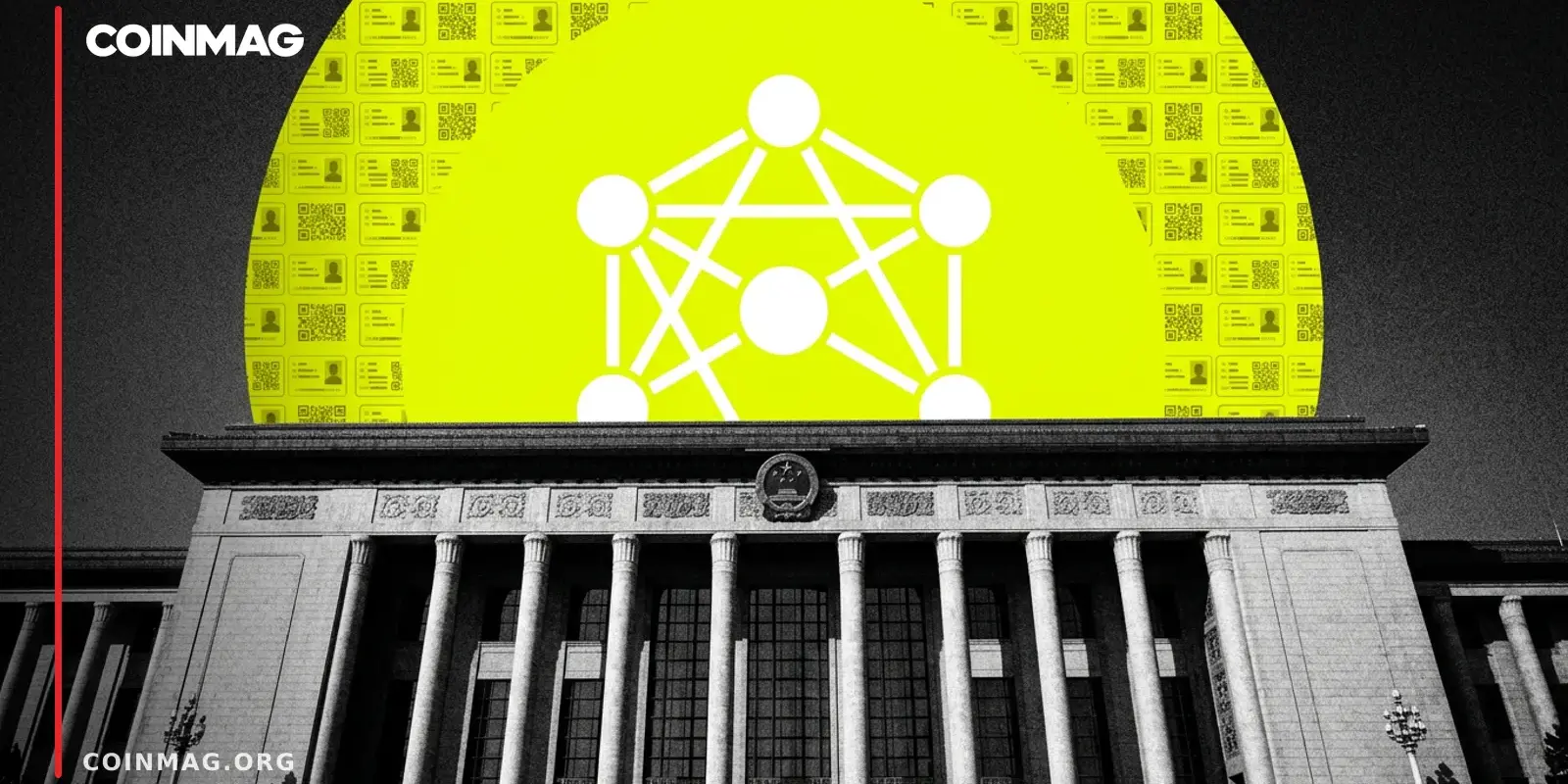
On Nov. 27, China published new regulations for a national blockchain digital identity system. The rules take effect on March 1, 2027.
The regulations were jointly issued by 11 government agencies, among them the People’s Bank of China and the Cyberspace Administration of China. They aim to let people and businesses verify their identity across different platforms without handing over more personal data than needed. State-backed media outlet China Net said the identity chain will ‘achieve multi-party consensus through blockchain technology.’
Under the system, authorized providers will run a digital identity chain on China’s national blockchain network. Users can voluntarily register and then use verifiable credentials to share specific facts, such as a university degree or a professional license, without revealing their full identity or other private details.
Platforms and identity services must collect only the minimum information required for verification. They are barred from using that data to build profiles for advertising or tracking users across services.
The regulation is part of Beijing’s push to expand blockchain use while keeping crypto trading banned. It also encourages linking the identity system with the digital yuan and using it in areas like tax, customs and transport. China aims to finish its national blockchain infrastructure by 2030.
FAQ
What is China’s blockchain digital identity system?
It is a national system that uses blockchain to let individuals and organizations verify their identity or credentials across different platforms. Users can share specific information, like a degree, without revealing all their personal data.
When do the new rules take effect?
The regulations take effect on March 1, 2027. They were published on Nov. 27, 2026, giving agencies and companies over a year to prepare.
Rahul VermaRahul Verma covers crypto startups, funding rounds and the digital asset market in South Asia: India, Pakistan, Bangladesh and Sri Lanka, from new founders to the rules that shape them.All articles by the author




Discussion 0