



17 banks complete live payments on Swift's shared ledger
DBS and Citi moved U.S. dollars between Singapore and New York in minutes during a weekend test.

Rahul VermaReporter, startups and South Asia · via COINMAG
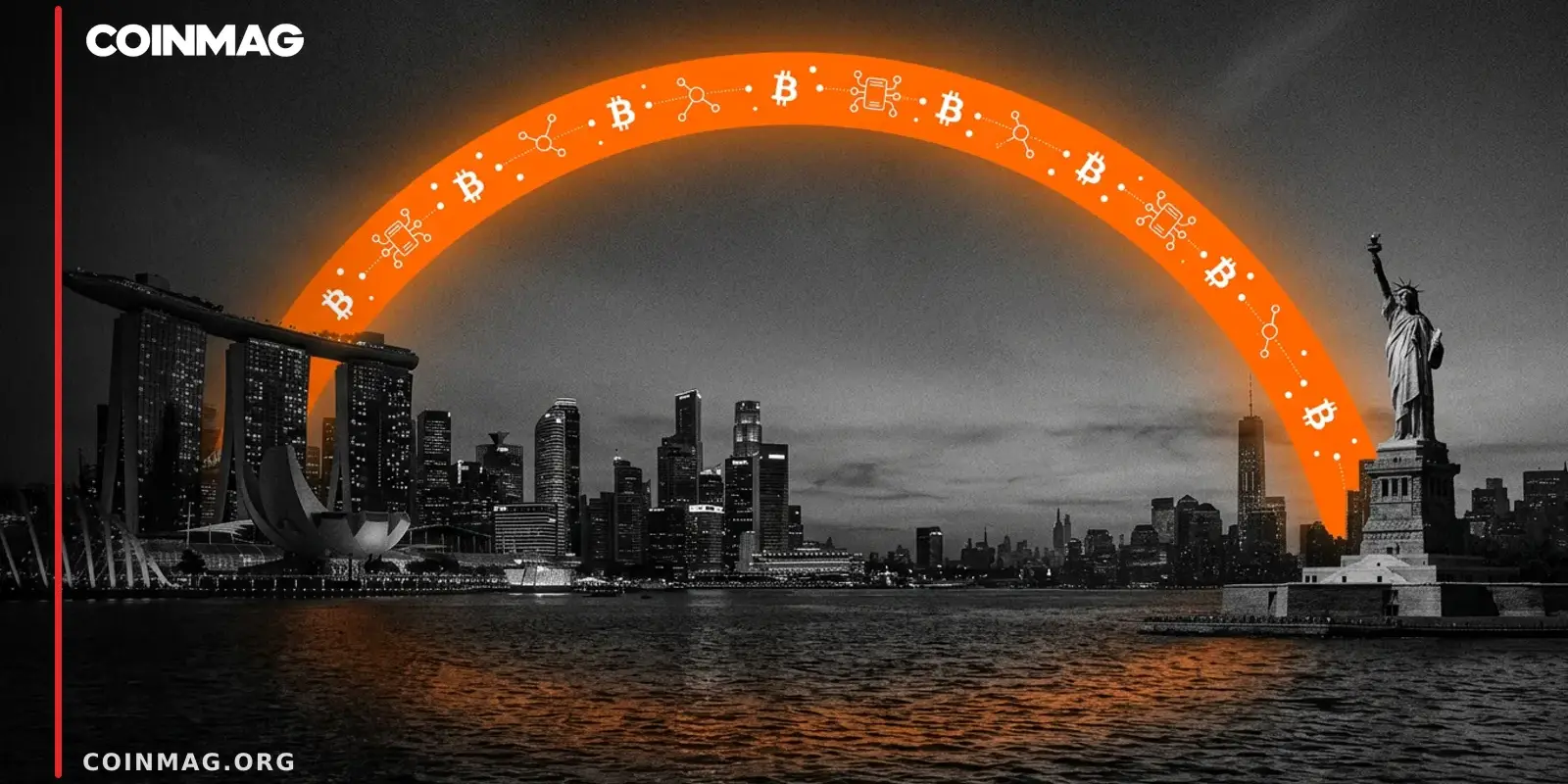
Swift said on Nov. 25 that 17 banks have used its new blockchain-based ledger to send tokenized deposits across borders, including a weekend payment between Singapore and New York that took minutes.
The pilot, which runs from July through December 2026, lets banks move value around the clock while keeping the actual deposits on their own books. The shared ledger records what each bank owes and nets the amounts before final settlement through existing payment systems.
Among the early transactions, HSBC and Standard Chartered exchanged payment messages in August, and UOB settled Hong Kong dollar payments with HSBC. Citi also tested with First Abu Dhabi Bank and OCBC. The 17 banks include ANZ, BNP Paribas, BNY, Wells Fargo and others across six continents.
Chainlink supplied a tool called the Runtime Environment to connect bank systems with the ledger while letting banks control their own keys. Cosmos, IBM, Kaleido, Oracle and Taurus also provided infrastructure for tokenized deposit ledgers, messaging and smart contracts.
Swift first said the platform was ready for initial use on July 9, about nine months after announcing the project at its Sibos conference. The system runs on Hyperledger Besu, an open-source technology compatible with Ethereum.
Swift is also working with the Hong Kong Monetary Authority to explore linking the ledger to the city’s Ensemble settlement system, which could allow around-the-clock interbank settlement in tokenized central bank money. Bank of China (Hong Kong), HSBC and Standard Chartered are taking part.
Coins in this story
Swap

Apps in this story
Rahul VermaRahul Verma covers crypto startups, funding rounds and the digital asset market in South Asia: India, Pakistan, Bangladesh and Sri Lanka, from new founders to the rules that shape them.All articles by the author




Discussion 0